
This is why you make dumb decisions at the end of a round
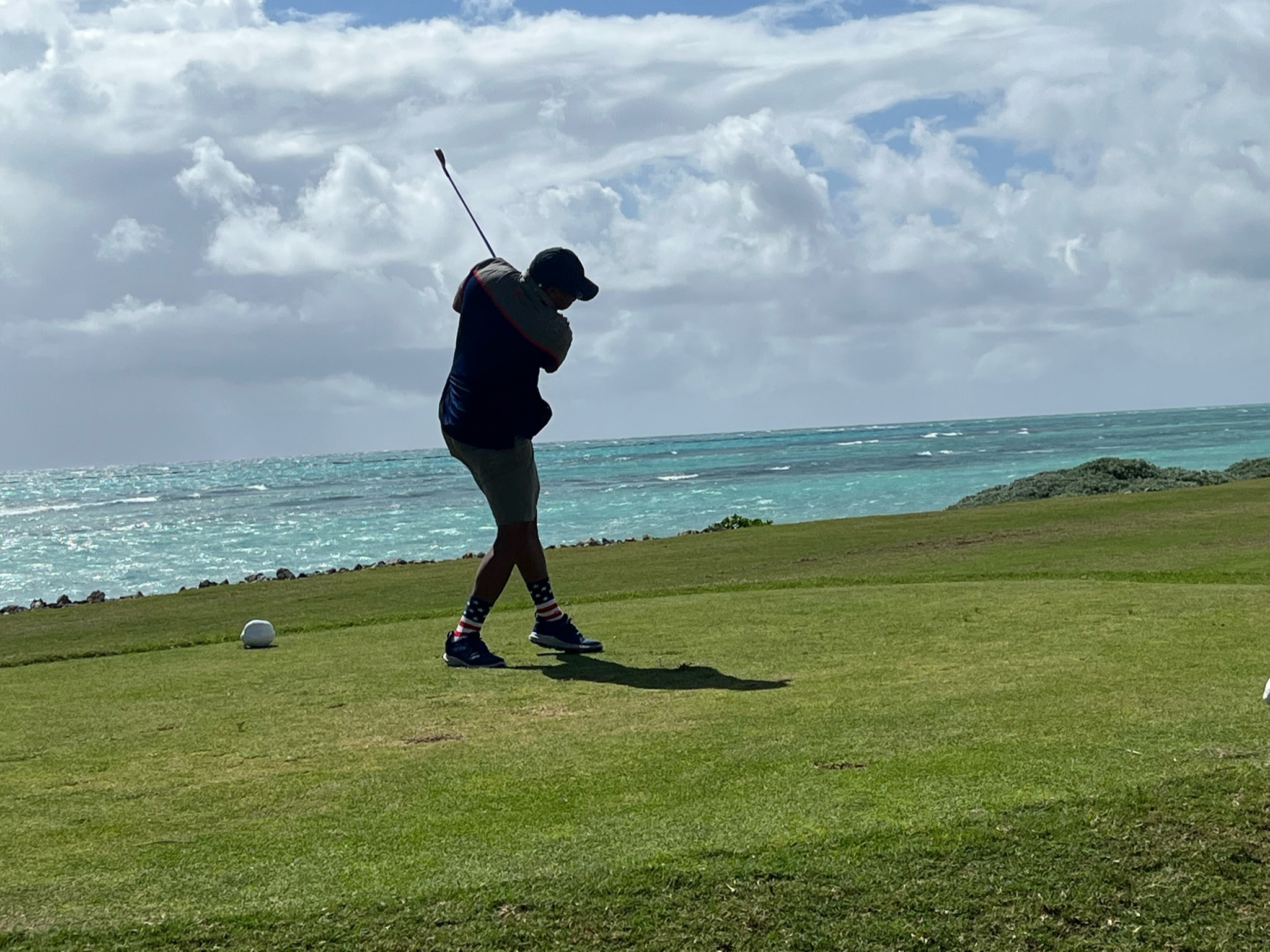
When I played golf recently, I had one of my best rounds going in years. An important threshold was in play. It came down to the last hole, an uphill par 5. I hit a drive into the fairway, but to a somewhat awkward lie. In hindsight, the smart play was a manageable iron as a lay-up, but here is where I ignored common sense. Instead, I lashed at a 4-wood, which sailed left and out of bounds. I made double bogey.
I tell this story not for the therapeutic purpose of getting it off my chest (although I must say, that does feel better!), but because it illustrates the type of poor decision-making we tend to succumb to late in rounds. And that, we’re starting to learn, comes with a good reason.
A study by the French Institute of Health and Research sought to explore how cognitive thinking is impacted when our brain has been sufficiently taxed. Put simply, it wanted to explain why we do stupid things when we’re tired. The method used was by studying the impulse control of two sets of volunteers — those put through a series of difficult memory tasks over the course of six hours, and those who took it relatively easy over the same period. Ultimately, researchers found the less-taxed group exhibited greater control at day’s end.
What the study underscored is that an overworked brain is no different than your leg muscles in the final miles of a marathon. The simplest task becomes arduous. According to a summary of the French study in Psychology Today, “Hard memory work requires a glut of energy and leaves less available for making good decisions. And when that happens, the cerebral gears start slipping and impulsiveness kicks in.”
While this may in part explain the type of brain cramp a mid-handicapper like me is prone to at inopportune moments, the better case study is a world-class golfer at the end of a particularly stressful week. Consider two of the more prominent major-championship collapses in recent memory—Phil Mickelson double bogeying the 18th hole at Winged Foot to lose the 2006 U.S. Open and Jordan Spieth putting two shots in the water on the par-3 12th hole at Augusta National to surrender a commanding lead in the 2016 Masters.